
CNC Routers
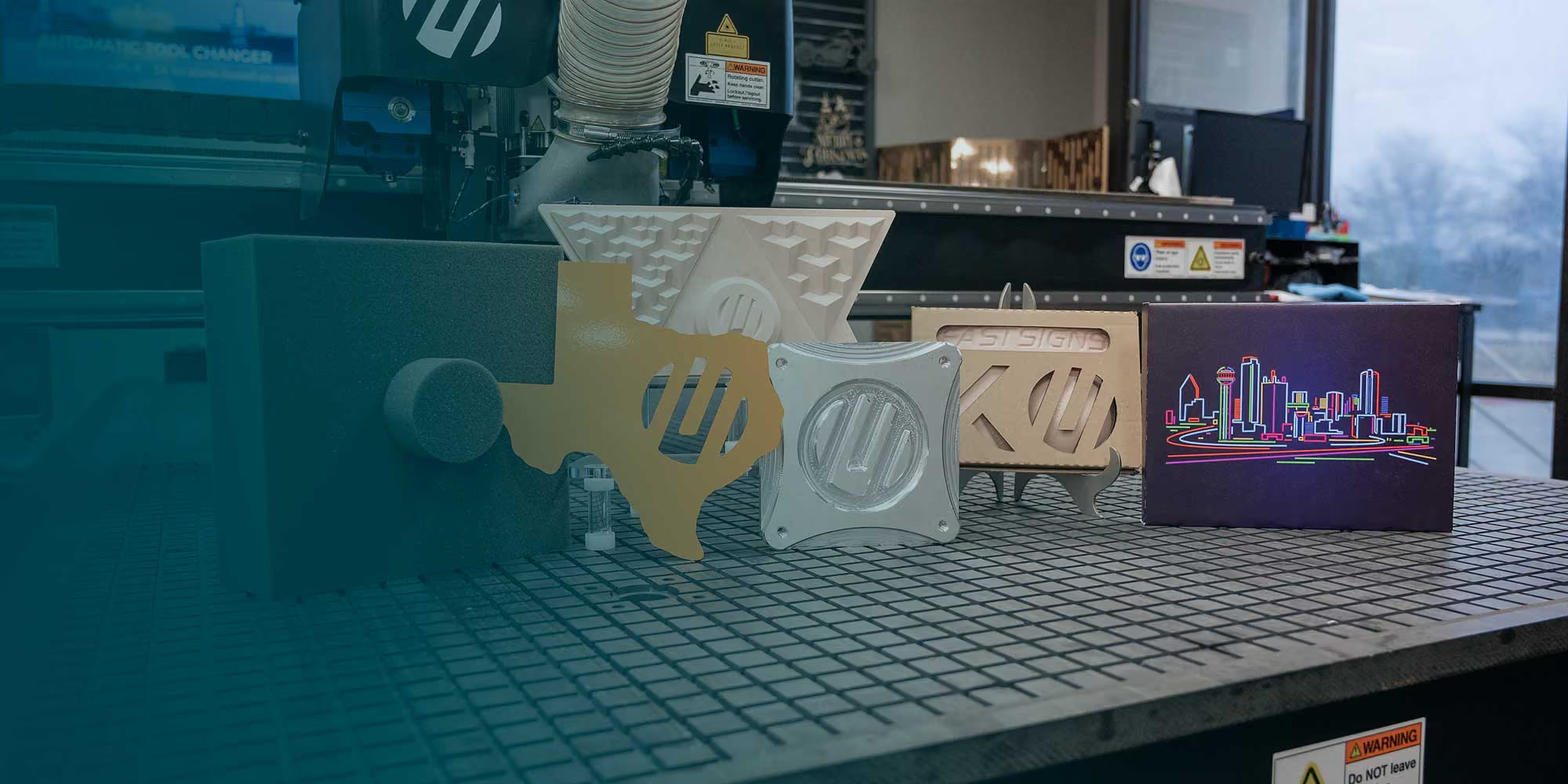
A CNC router is a computer-controlled cutting machine used to cut, shape, drill, engrave and machine materials based on a digital design file. CNC routers deliver accurate, repeatable results and are commonly used in woodworking, sign making, plastics fabrication, aluminum processing and industrial manufacturing.
CNC routers
What is a CNC table?
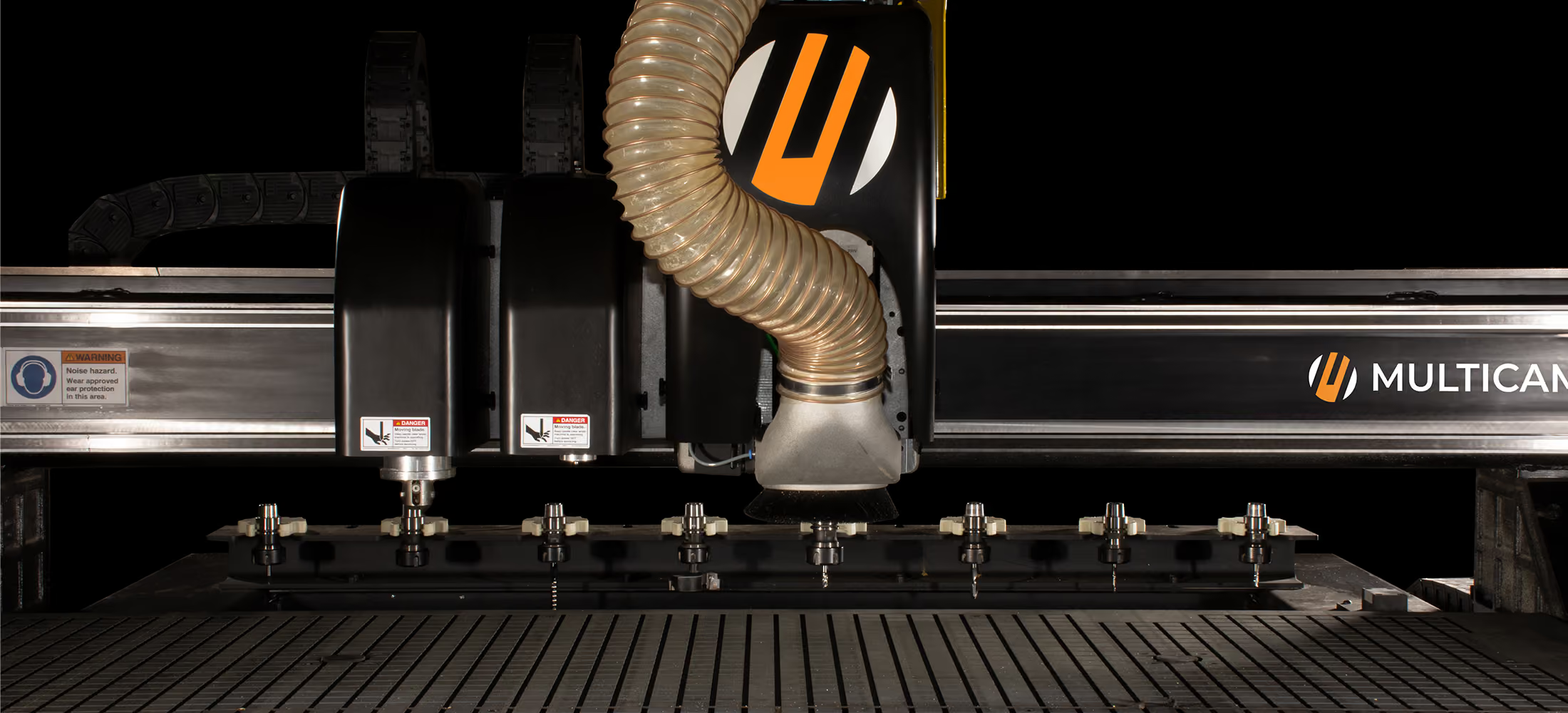
A CNC table is a computer-controlled cutting platform that delivers precise, repeatable results across a range of materials like wood, plastic, metal, and composites. It automates routing, milling, and engraving using digital design files, making it ideal for everything from signage to industrial parts.
What are the typical challenges?
Common issues include securing materials properly, choosing the right tools and settings for each job, and managing dust or debris. Learning the software and fine-tuning the machine for consistent performance can also take time.
precision & quality
High-quality CNC tables
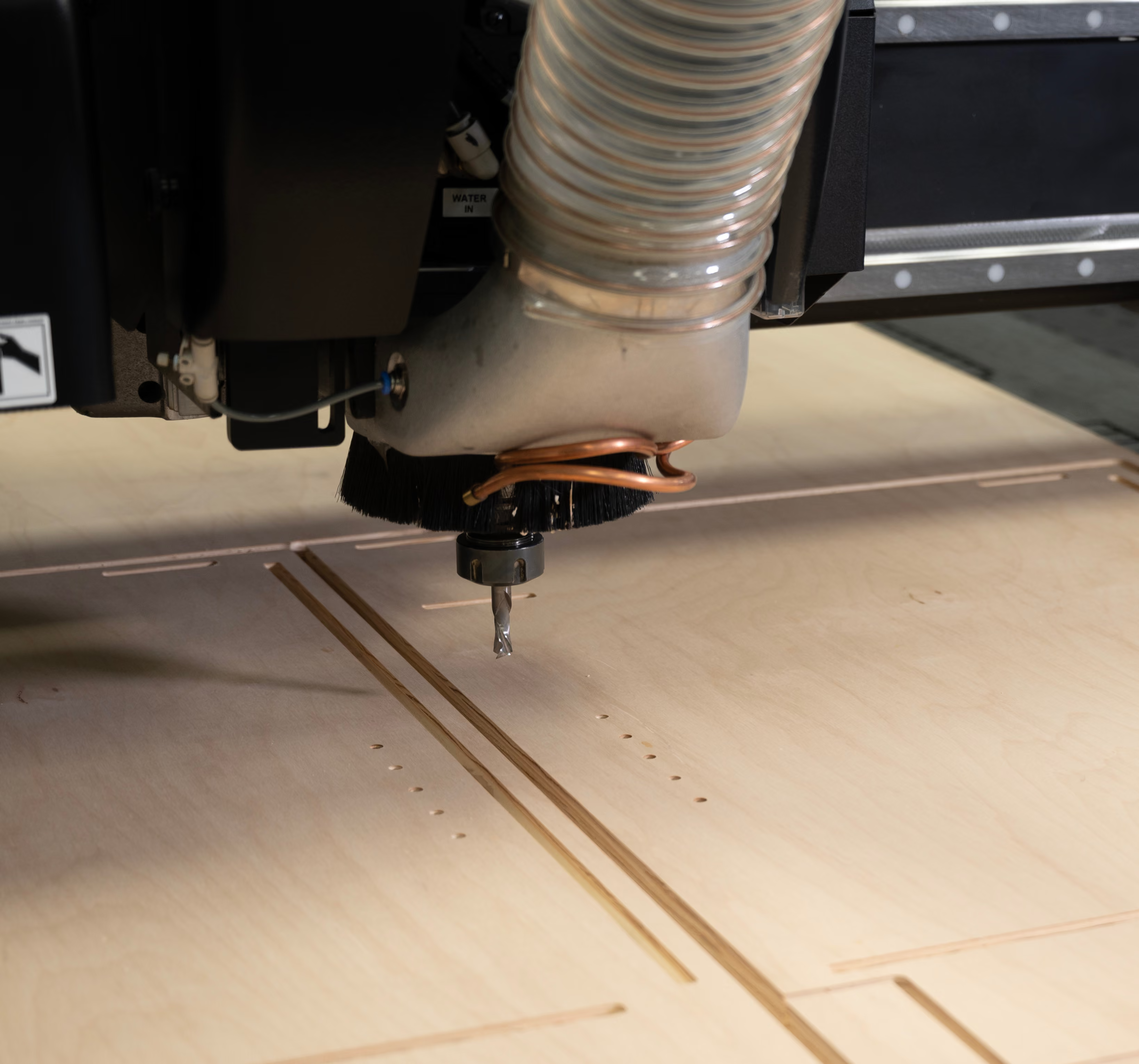
MultiCam CNC router tables are built for precision, consistency, and ease of use: helping you overcome common CNC challenges. With repeatability down to 1/1000th of an inch, you can count on accurate cuts every time.
Each table is engineered for reliable hold-down, efficient chip management, and compatibility with a wide range of materials. Plus, with customizable options and intuitive control systems, MultiCam makes it easier to tailor your setup to your specific application and skill level—whether you're cutting signage, woodwork, or complex industrial parts.
cnc router range
Find the right CNC table for your production
Product availability may vary by region. Contact your local sales manager for details.
Versatility
Versatile CNC Tables
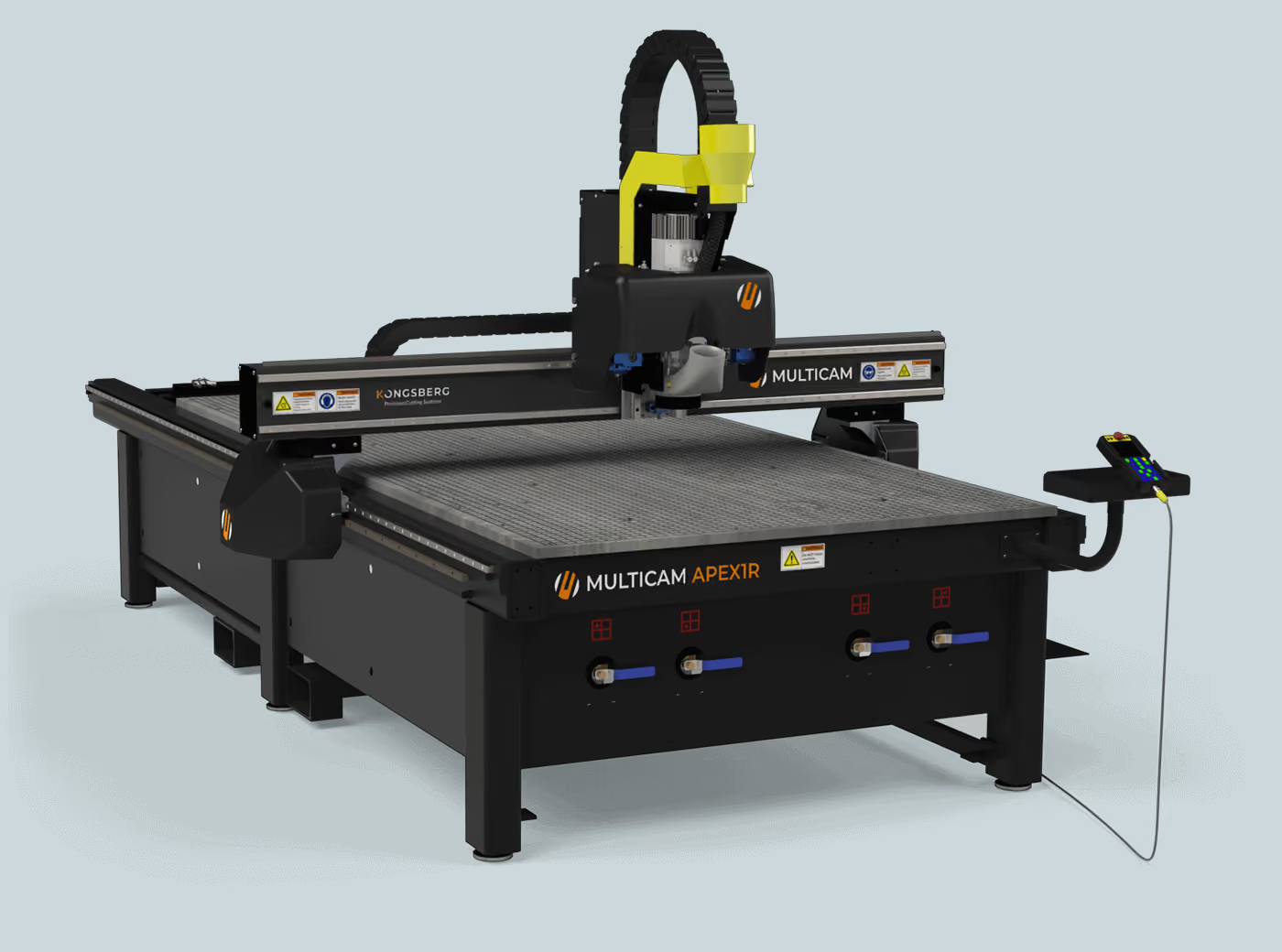
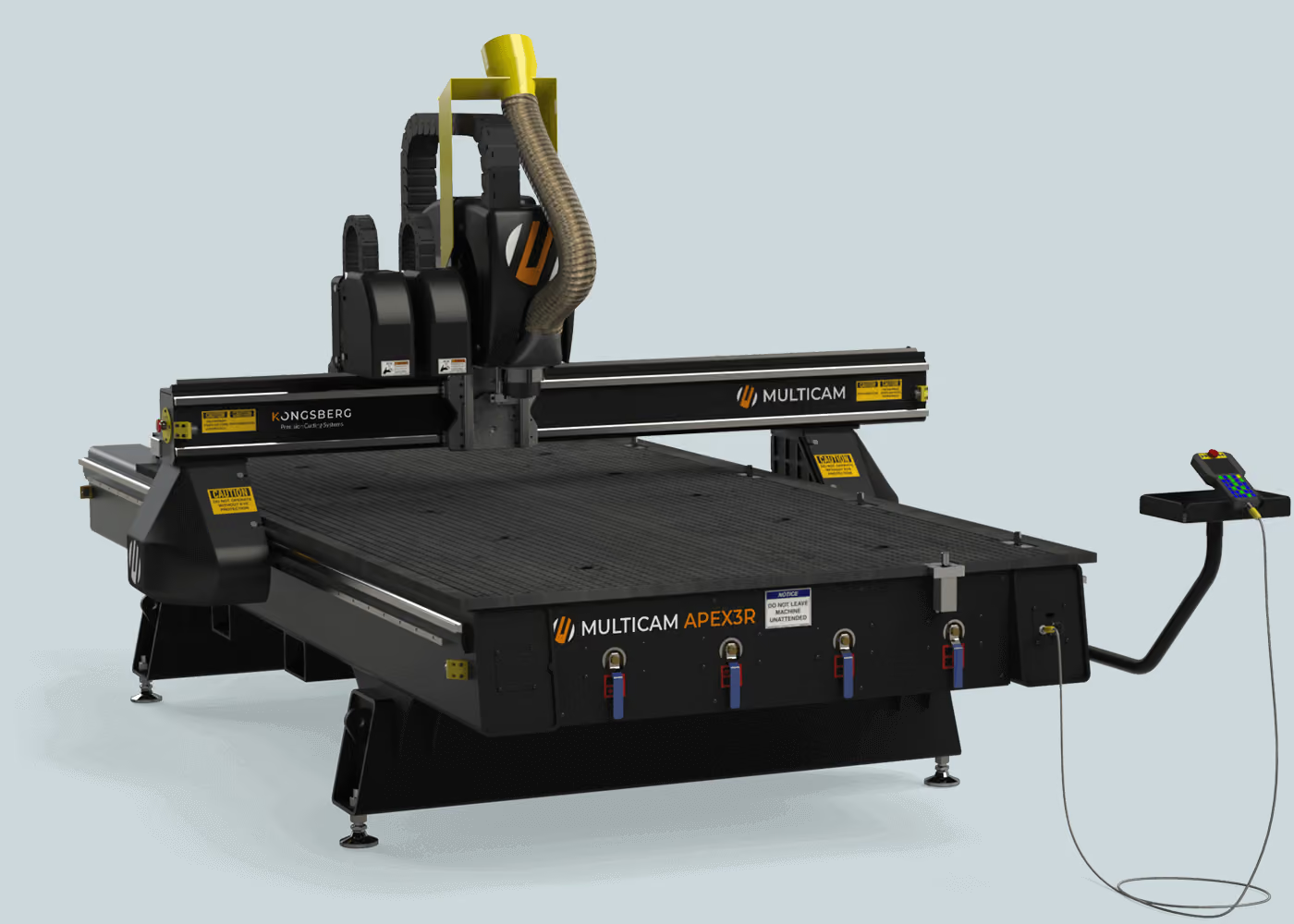
Compact but capable, the Apex1R is ideal for everyday applications like signage, 2D cutting, and light 3D carving. It's a reliable choice for shops that need consistent performance across a variety of materials, including plastics, woods, and light metals.
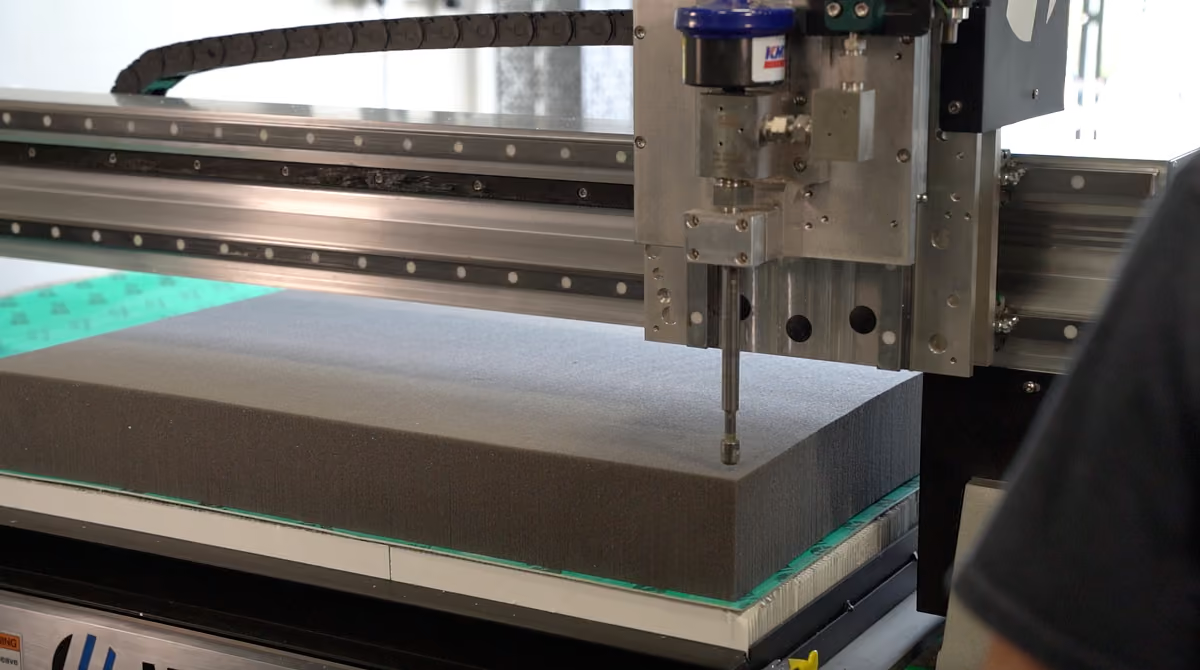
Designed for greater flexibility, the Apex3R Evo handles more advanced tasks with enhanced precision and speed. With available accessories like oscillating knives and automatic tool changers, it’s well suited for packaging, foam, insulation, and print-to-cut workflows.
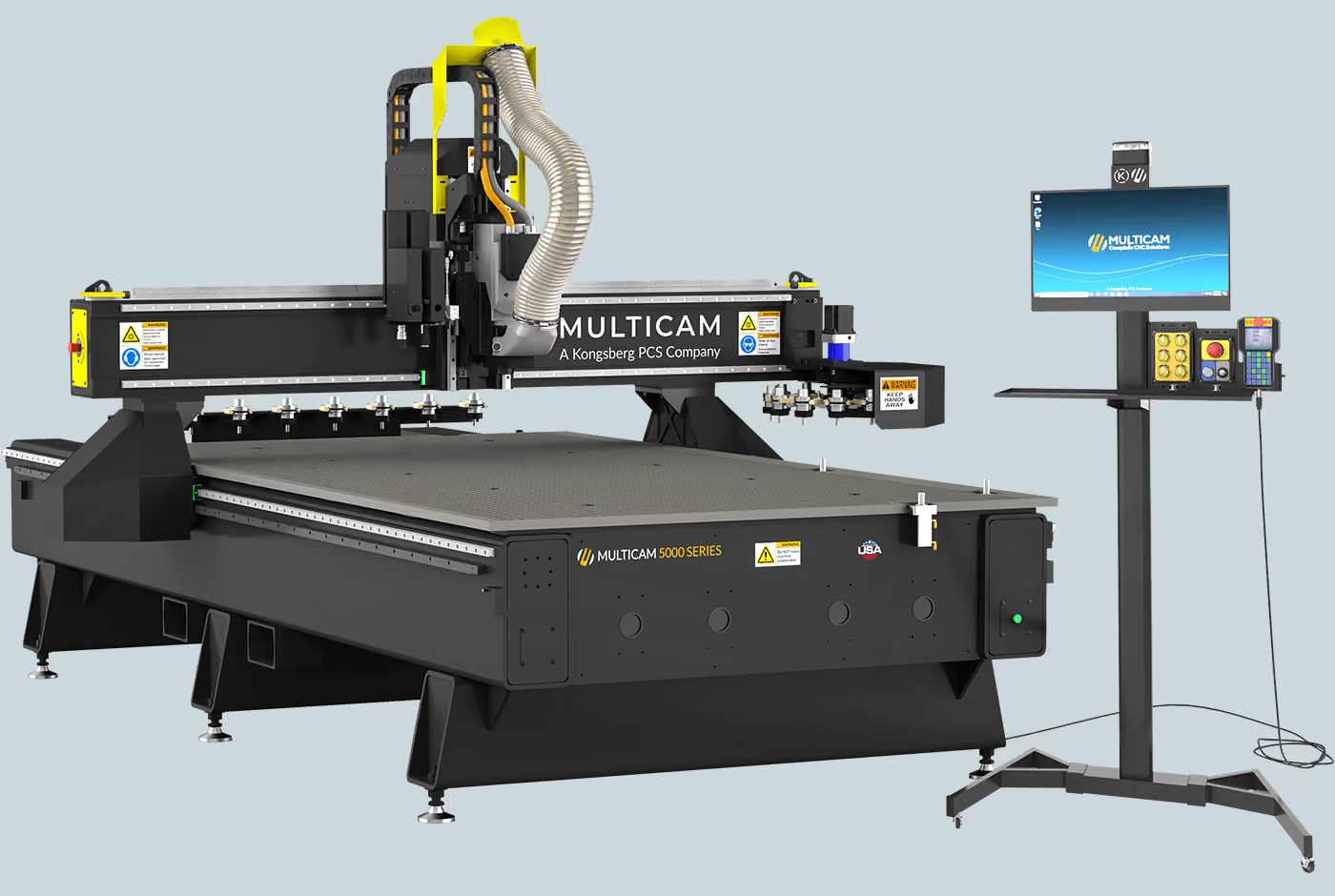
Built for heavy-duty production, the 5000 Series delivers high-speed cutting and exceptional power for demanding jobs. It’s engineered for thick aluminum, large-format composites, and high-throughput environments like marine or aerospace fabrication.
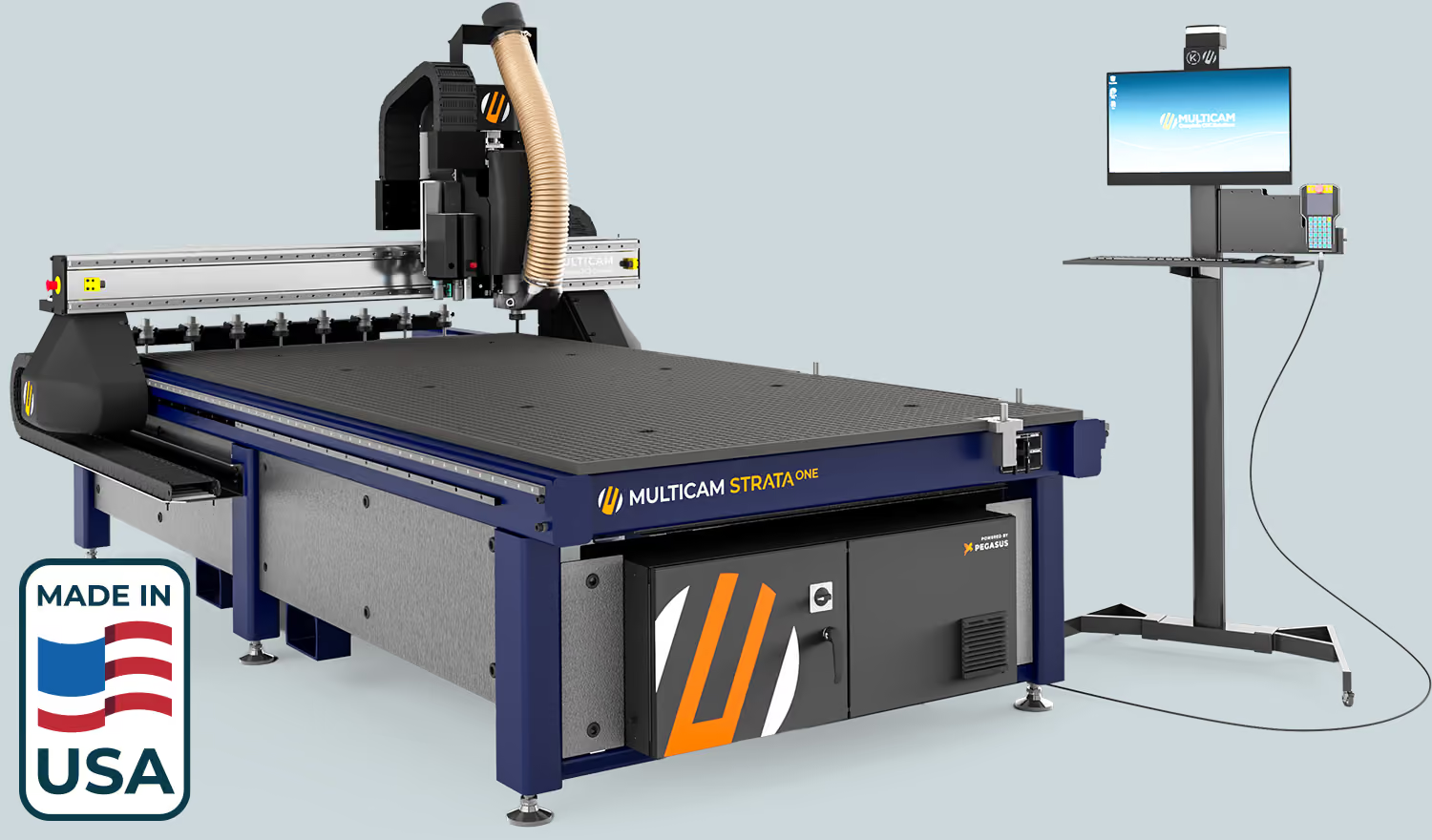
Designed for manufacturers who require dependable routing across a broad range of materials, STRATA One delivers the performance, accuracy, and flexibility needed for everyday production.
Materials
A broad range of materials
MultiCam CNC tables are built to cut a wide variety of materials with precision and reliability. From standard substrates like wood, MDF, and plywood to industrial-grade plastics and non-ferrous metals such as aluminum and brass, these tables handle it all with ease.
They’re also well equipped for more advanced and abrasive materials, including fiberglass, ACM cladding, phenolic, and hardened carbon fiber, making them ideal for industries like aerospace, signage, packaging, and marine. No matter the material, MultiCam machines deliver consistent, high-quality results.

Before you ask
Frequently asked questions
What is a CNC table?
What is a CNC table?
A CNC table is a computer-controlled cutting system that moves a tool across a fixed work surface. Depending on the machine configuration, it can route, cut, shape or engrave materials using instructions generated from a digital design file.
What materials can a CNC table cut?
What materials can a CNC table cut?
A CNC table can process materials such as wood, acrylic, plastics, foam, composites and non-ferrous metals. The exact material range depends on the spindle, tooling, machine construction and available cutting options.
How do I choose the right CNC table size?
How do I choose the right CNC table size?
Start with the largest sheet or part you regularly process and select a working area that accommodates it with sufficient room for loading and positioning. Also consider whether future jobs may require wider, longer or thicker materials.
How does a CNC table hold material in place?
How does a CNC table hold material in place?
Many industrial CNC tables use a vacuum table and pumps to hold material securely during cutting. Stable material hold-down helps maintain cutting accuracy and prevents sheets or parts from moving while they are being processed.
What should I consider when comparing CNC tables?
What should I consider when comparing CNC tables?
Compare the working area, material clearance, cutting speed, repeatability, spindle options, tooling, drive system and material hold-down. Your materials, applications and production volume will determine which CNC table configuration best fits your operation.